Horror Music: A Playful Twist on Gothic Elegance
What Is Horror Music?
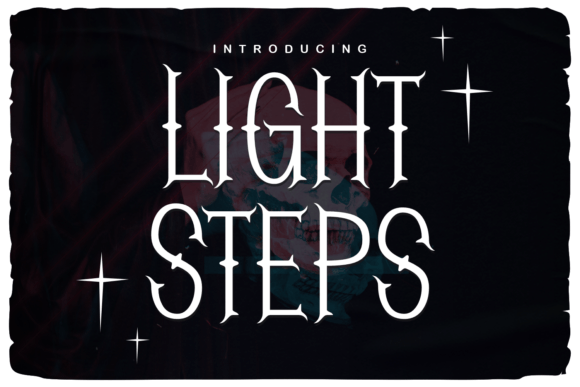
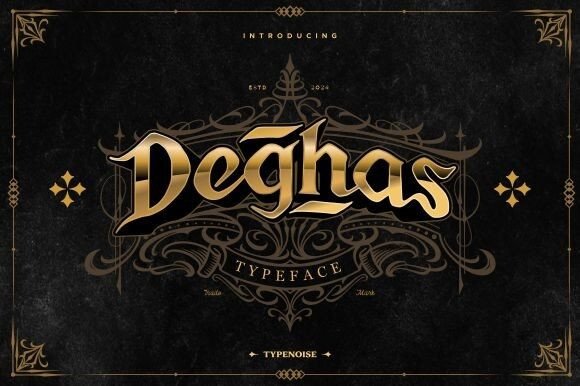
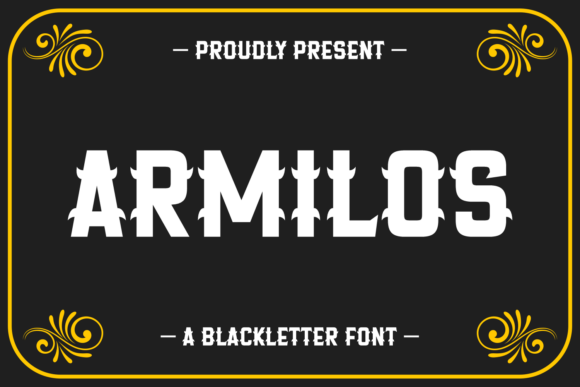
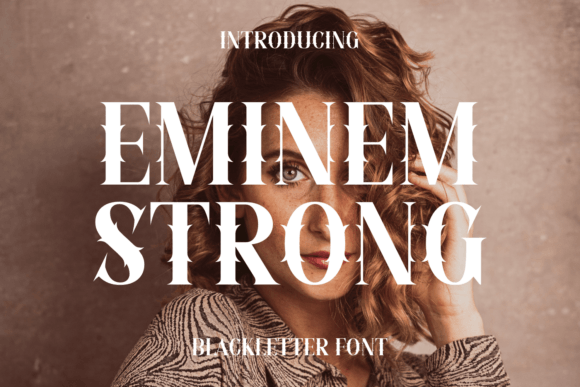
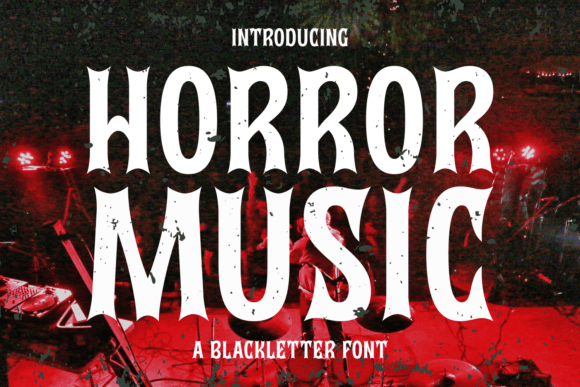
Horror Music is a distinctive blackletter font that blends the historical grandeur of Gothic script with a lighthearted, whimsical flair. Unlike traditional horror-themed fonts that lean heavily into darkness and fear, this typeface offers an engaging balance between elegance and fun. Its ornate letterforms are softened by playful design elements, making it ideal for projects that want to evoke a sense of nostalgia while maintaining a modern, approachable aesthetic.
The Origins and Evolution of Blackletter Fonts
To understand what makes Horror Music unique, it's helpful to look at its roots. Blackletter fonts, also known as Gothic or Old English scripts, have been around since the Middle Ages. They were originally used in European manuscripts and later became popular in printed books during the Renaissance. These fonts are characterized by their angular strokes, dense appearance, and dramatic contrast between thick and thin lines.
In the 20th century, blackletter fonts took on new life in the world of music and pop culture, especially within genres like punk, metal, and gothic rock. Their bold presence made them perfect for album covers and merchandise, where they conveyed a sense of rebellion and mystique. However, these designs often lacked versatility and could appear too intimidating for certain audiences or applications.
Why Choose Horror Music?
Horror Music stands out by reimagining the classic blackletter style with a more accessible tone. It’s not just about looking spooky—it’s about capturing attention without overwhelming the viewer. This font can be a powerful tool for creators who want to infuse their work with character while keeping it friendly and inviting.
Key Features of Horror Music
- Playful yet Elegant: The font retains the ornate feel of Gothic script but introduces subtle curves and lighter touches that make it more cheerful.
- High Readability: Despite its decorative nature, Horror Music is designed to remain legible across various sizes and mediums.
- Versatile Design: Whether you're designing a horror-themed album or a Halloween party invitation, this font adapts well to both digital and print formats.
- Unique Character Set: Includes special symbols and ligatures that add visual interest and personality to your text.
Where Can You Use Horror Music?
Horror Music finds its home in a wide range of creative fields. Here are some common and innovative uses:
Music Albums and Band Merchandise
For musicians and bands, especially those in alternative, indie, or dark pop genres, Horror Music adds a fresh twist to album art and promotional materials. It can help create a memorable brand identity that resonates with fans who appreciate a mix of old-world charm and modern creativity.
Merchandise such as T-shirts, hoodies, hats, and posters benefit from the font’s striking appearance. Its blend of playfulness and elegance ensures it appeals to a broader audience than more rigidly serious Gothic fonts.
Event Branding and Promotional Materials
If you’re organizing a themed event—like a haunted house, a fantasy con, or a vintage-inspired gathering—this font can bring a unique visual element to your invitations, banners, and signage. It helps set the mood without being off-putting, encouraging attendees to engage with the content and atmosphere.
Print and Digital Media
Horror Music isn't limited to music-related projects. It can be used effectively in book covers, greeting cards, logos, and even web headers. Its ability to convey a specific vibe makes it particularly useful in niche markets where typography plays a big role in storytelling.
Who Benefits from Using Horror Music?
Several types of professionals and creatives can benefit from incorporating Horror Music into their projects:
- Graphic Designers: Looking to offer clients something different? This font can elevate the visual appeal of horror-themed or fantasy-based designs.
- Music Producers and Artists: Need a standout title for your next release? Horror Music provides a compelling option for branding and packaging.
- Entrepreneurs and Business Owners: If your business has a gothic or whimsical theme, this font can help establish a cohesive and eye-catching brand image.
- Content Creators and Bloggers: Want to grab attention with your headlines or titles? Horror Music brings a touch of drama and charm that can enhance reader engagement.
Real-World Applications
Consider how Horror Music might fit into different scenarios:
- A small independent band releases a concept album centered around folklore and mythology. They use Horror Music for the title and track names to give the artwork a timeless yet playful edge.
- A boutique clothing line launches a limited-edition collection inspired by Victorian horror tales. Horror Music appears on the tags and labels, helping reinforce the brand’s aesthetic while remaining easy to read.
- A local theater group produces a production of "Dracula" and uses Horror Music in their program cover and promotional flyers. The font captures the essence of the story while appealing to families and younger audiences.
Evaluating the Suitability of Horror Music
While Horror Music is versatile, it may not be appropriate for every project. Before using it, consider the following factors:
Project Tone and Audience
Ask yourself if the playful nature of Horror Music aligns with your message. For example, if you're creating a formal document or a corporate presentation, this font likely won’t be the best choice. On the other hand, for artistic ventures, entertainment-related content, or anything with a thematic focus, it can shine.
Readability vs. Style
Even though Horror Music is more readable than many blackletter fonts, it still requires careful use. Avoid using it for long paragraphs of body text. Instead, reserve it for headings, titles, or short bursts of impactful messaging.
Technical Considerations
Ensure that the font works well across different platforms and devices. Test it in both digital and print formats to see how it renders. Also, check if it supports the languages and characters you need for your project.
Strengths and Limitations
Like any design element, Horror Music has its advantages and drawbacks:
Strengths
- Offers a unique visual identity that stands out from standard sans-serif or serif fonts.
- Bridges the gap between classic and contemporary design styles.
- Works well for both horror and fantasy themes due to its adaptable tone.
Limitations
- Not suitable for large blocks of text due to its decorative nature.
- May not translate well in all color schemes—especially if the background contrasts too strongly with the font.
- Requires thoughtful pairing with other design elements to maintain visual harmony.
How to Make the Most of Horror Music
Here are some tips for using Horror Music effectively:
- Pair with Complementary Fonts: Combine Horror Music with simpler sans-serif or serif fonts to balance its ornate style and improve readability in complex layouts.
- Use Sparingly: Let the font highlight key phrases or headings rather than overusing it, which can dilute its impact.
- Experiment with Color and Effects: Try different color palettes or add subtle effects like drop shadows or outlines to enhance visibility and style.
- Test Across Devices: Ensure the font looks consistent on screens, mobile phones, and in print to avoid unintended distortions.
Conclusion
Horror Music is more than just a font—it’s a bridge between tradition and innovation. By merging the rich heritage of Gothic script with a modern, whimsical spirit, it offers a unique way to express creativity in design and branding. Whether you're a musician, designer, or entrepreneur, this font can help you stand out and connect with your audience in meaningful ways.
When evaluating its suitability for your project, consider the tone, audience, and technical requirements. Used thoughtfully, Horror Music can become a signature element that enhances your message and leaves a lasting impression.