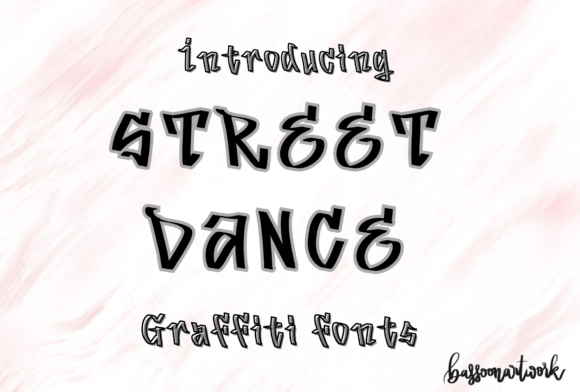
Street Dance: A Cool and Playful Art Form
Street Dance is more than just a style of movement—it's a vibrant expression of culture, creativity, and community. Rooted in urban environments and often associated with hip-hop, this dynamic art form has evolved into a global phenomenon that blends rhythm, storytelling, and individual flair. Whether you're a seasoned performer or someone who's never danced before, Street Dance offers something unique to everyone.
The Origins and Essence of Street Dance
Emerging from the streets of major cities like New York, London, and Tokyo, Street Dance was born out of youth culture, music, and the need for self-expression. It encompasses various styles such as breaking, popping, locking, krump, waacking, and more, each with its own history and technical elements. What makes it stand out is its raw energy and adaptability—dancers often draw inspiration from their surroundings, personal experiences, and the ever-changing beat of street life.
This art form thrives on improvisation and authenticity. Unlike traditional dance forms that follow strict choreography, Street Dance encourages freedom and innovation. Dancers use their bodies as instruments, responding to music in ways that feel natural and instinctive. The cool and playful nature of Street Dance is reflected not only in its movements but also in the bold visual language that accompanies it, such as graffiti and blackletter fonts.
A Canvas of Expression: Graffiti and Street Dance
Graffiti and Street Dance are two sides of the same cultural coin. Both began as grassroots movements in marginalized communities and have since gained widespread recognition and appreciation. Just as graffiti artists use walls to share their stories, Street Dancers use the floor and the air to tell theirs. The connection between these two art forms is especially strong in the world of blackletter fonts, where stylized, edgy typography mirrors the attitude and rhythm found in breakdancing and other street styles.
In dance battles and showcases, performers often incorporate graffiti-inspired visuals into their routines—think of hand gestures that mimic spray-paint strokes or moves that echo the jagged lines of blackletter writing. This fusion creates an immersive experience that celebrates both sound and sight, making Street Dance a powerful medium for artistic identity.
Why Street Dance Matters to Different Audiences
For some, Street Dance is a hobby; for others, it's a career path. Here’s how different groups may find value in it:
Beginners: A Fun Way to Get Moving
If you're new to dance, Street Dance can be a welcoming entry point. It doesn’t require formal training or expensive equipment—just space, music, and a willingness to move. Many beginners start by learning basic footwork or simple freezes, which are easy to grasp and offer immediate satisfaction. Online tutorials and local workshops provide accessible resources to explore this art without pressure.
Example: A college student looking to stay active might try out a beginner's class at a community center or follow YouTube videos during breaks between study sessions.
Professionals and Creators: Innovation and Collaboration
Experienced dancers see Street Dance as a platform for pushing creative boundaries. They experiment with new moves, collaborate with musicians and visual artists, and compete in international events. For creators, Street Dance offers endless possibilities for original content—whether it's for social media, music videos, or performance art.
Example: A professional dancer could partner with a graffiti artist to create a short film that combines their talents, using blackletter fonts in the title sequence to match the tone of the piece.
Entrepreneurs and Business Owners: Building Community and Brand Identity
Street Dance can be a valuable tool for entrepreneurs and business owners looking to connect with younger audiences or foster a sense of community. Hosting dance workshops, sponsoring local crews, or integrating Street Dance into marketing campaigns can enhance brand visibility and create meaningful engagement. The playful and inclusive vibe of Street Dance aligns well with modern branding strategies that prioritize authenticity and relatability.
Example: A fitness studio owner might introduce a “Street Dance Cardio” class to attract clients interested in high-energy workouts and urban culture.
Marketers and Bloggers: Capturing Cultural Relevance
As Street Dance continues to influence mainstream media, marketers and bloggers have an opportunity to tap into its growing popularity. Covering dance trends, featuring interviews with local crews, or showcasing fashion inspired by street culture can resonate deeply with niche and general audiences alike. When done right, this kind of content feels fresh and authentic, reflecting the pulse of current youth culture.
Example: A lifestyle blogger could write about how Street Dance fashion is shaping trends, including tips on incorporating graffiti prints or blackletter-style accessories into everyday outfits.
Educators: Teaching Through Movement and Culture
Street Dance is increasingly being recognized in educational settings for its ability to engage students physically and intellectually. Educators can use it to teach rhythm, coordination, and even history—showcasing how the art form developed alongside hip-hop culture. Its inclusive and non-competitive nature also makes it ideal for classroom activities and team-building exercises.
Example: A physical education teacher might design a unit around Street Dance, inviting guest instructors to demonstrate different styles and encourage students to create their own routines.
Hobbyists and Consumers: Finding Joy in the Movement
Hobbyists enjoy Street Dance for the pure fun of it—whether they're dancing in their living room or performing at open mics. For consumers, it's a way to appreciate urban culture through events, documentaries, or online platforms. The accessibility of Street Dance means that anyone can participate or observe without needing to be an expert.
Example: An office worker might attend a monthly dance night at a local bar to unwind and meet like-minded people, enjoying the lively atmosphere and watching skilled dancers showcase their moves.
Practical Applications and Benefits
- Physical Health: Street Dance improves balance, strength, and cardiovascular fitness while being a low-cost exercise option.
- Mental Wellbeing: The expressive nature of Street Dance helps reduce stress and boosts confidence, especially among young people.
- Creative Development: Encourages improvisation, rhythm, and body awareness, all crucial skills for artists and performers.
- Community Engagement: Fosters connections between people from diverse backgrounds through shared passion and collaboration.
- Commercial Opportunities: Offers avenues for brand partnerships, event sponsorships, and creative ventures in entertainment and fashion.
Priorities That Vary by Audience
While the core appeal of Street Dance remains consistent, the priorities of those involved vary widely:
- Beginners care most about ease of learning and having fun.
- Professionals focus on refining technique, building a portfolio, and networking within the industry.
- Businesses look for long-term usefulness in terms of customer engagement and brand image.
- Artists and Creators seek flexibility and originality to express themselves authentically.
- Parents and Educators may value its reliability as a safe and structured activity for children and teens.
- Consumers are drawn to its presentation and the cool, trendy aesthetic that comes with it.
How to Get Started with Street Dance
Whether you're looking to join a crew, learn new moves, or simply understand its cultural impact, here are some practical steps to begin your journey:
- Find a local workshop or class. Look for places that welcome all skill levels and emphasize community over competition.
- Watch performances online. Channels like YouTube and Instagram offer countless tutorials and showcases.
- Join a dance group or meetup. These spaces provide support, feedback, and opportunities to grow.
- Explore related art forms. Try graffiti or listen to hip-hop beats to deepen your understanding of the culture.
- Create your own style. Experiment with movements and develop a routine that reflects your personality.
Tools and Resources for Street Dance Enthusiasts
There are many tools available to help you explore and practice Street Dance:
- Dance apps: Offer guided lessons, battle simulations, and progress tracking.
- YouTube channels: Feature free tutorials from top dancers across the globe.
- Local studios: Provide affordable classes and access to experienced instructors.
- Online communities: Connect you with fellow dancers, choreographers, and enthusiasts for advice and inspiration.
- Fashion retailers: Stock urban wear influenced by Street Dance and graffiti culture, allowing you to dress the part while you train.
Is Street Dance Right for You?
To determine whether Street Dance fits your goals, consider the following questions:
- Do you enjoy music that drives movement and emotion?
- Are you looking for a fun and flexible way to stay active?
- Would you like to connect with a passionate, inclusive community?
- Does the idea of expressing yourself through rhythm and motion excite you?
If you answered yes to any of these, then Street Dance could be a perfect fit. It’s adaptable enough to suit casual participants and serious professionals alike, making it one of the most versatile art forms today.
Final Thoughts
Street Dance isn't just about dancing—it's about embracing a lifestyle that values creativity, connection, and self-expression. Whether you're stepping into the spotlight or observing from the sidelines, there's always something to admire, learn, or contribute. So next time you hear a beat echoing down the sidewalk or see a mural that looks like it’s moving, remember that Street Dance is alive and thriving, waiting for you to get involved in your own way.