Vintage Tattoo: A Bold and Distinctive Blackletter Font for Stylish Typography
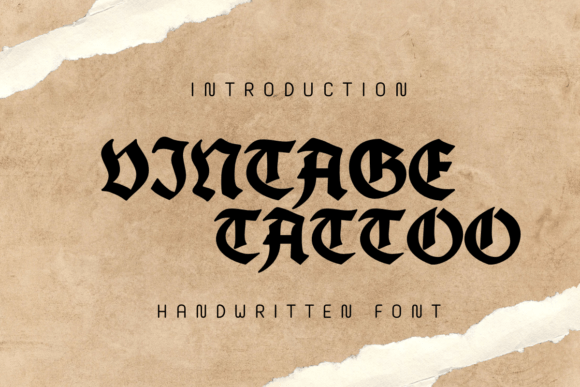
Vintage Tattoo is a striking blackletter font that stands out with its bold, thick lettering and intricate design elements. This typeface captures the essence of traditional tattoo lettering styles while offering a modern twist suitable for today’s digital projects. Its PUA (Private Use Area) encoding ensures ease of access to all glyphs and swashes, making it a versatile choice for designers looking to add flair without sacrificing functionality.
What Makes Vintage Tattoo Unique?
Blackletter fonts have long been associated with historical manuscripts, Gothic architecture, and the artistry of old-world typography. However, not all blackletter typefaces are created equal. Vintage Tattoo distinguishes itself through its exaggerated stroke contrast, robust character outlines, and an overall sense of permanence—traits reminiscent of hand-drawn tattoo scripts used in vintage ink shops.
One of the most notable features of Vintage Tattoo is its thickness. Unlike more delicate or ornate blackletter designs, this font has a heavy, muscular appearance that conveys strength and individuality. The characters are often stylized with slight irregularities, giving them a handmade feel that enhances their authenticity and visual appeal.
PUA Encoding and Glyph Accessibility
For many designers, the ability to access special characters and stylistic variants is crucial. Vintage Tattoo leverages PUA encoding to provide seamless access to a wide range of glyphs, including alternate letters, ligatures, and decorative swashes. This makes it particularly useful for creating custom logos, branding materials, or any project where unique typographic details can elevate the design.
With PUA support, users can easily insert these extra characters using glyph panels in design software like Adobe Illustrator or Photoshop. This eliminates the need for complicated workarounds and allows for more creative freedom when working with the font.
Comparing Vintage Tattoo with Other Blackletter Fonts
In the world of blackletter fonts, there are many options to choose from. Some are highly decorative, others lean toward minimalism, and still, others aim for a balance between tradition and modern usability. When comparing Vintage Tattoo to similar fonts, several factors come into play:
- Design Style: Vintage Tattoo has a more aggressive and rugged look compared to classic blackletters such as Old English Text MT or Cloister Black. These fonts tend to be smoother and less stylized, which may make them more legible at smaller sizes but less impactful in larger formats.
- Stroke Thickness: The bold and thick strokes of Vintage Tattoo give it a distinctive presence on both digital and printed media. In contrast, thinner blackletter fonts might appear fragile or lack the commanding weight that makes Vintage Tattoo stand out.
- Use of Swashes and Alternate Glyphs: While some blackletter fonts include only basic variations, Vintage Tattoo offers a rich set of embellishments thanks to its PUA encoding. This gives it a competitive edge in terms of customization potential for artistic applications.
Best-Fit Situations for Vintage Tattoo
Vintage Tattoo excels in scenarios where visual impact and a touch of nostalgia are key. Here are a few situations where it could be the right fit:
- Branding and Logos: Its boldness and unique character make it ideal for logos targeting niche markets such as tattoo studios, vintage bars, or artisanal products.
- Event Invitations and Posters: For themed events like Renaissance fairs, gothic festivals, or steampunk gatherings, Vintage Tattoo adds an authentic and dramatic flair.
- Merchandise Design: T-shirts, posters, and other print-on-demand items benefit greatly from the font’s strong presence and memorability.
- Titles and Headlines: Whether in book covers, website headers, or video intros, Vintage Tattoo commands attention and sets a tone of authority and style.
Strengths and Tradeoffs of Using Vintage Tattoo
Like any design tool, Vintage Tattoo has its strengths and limitations. Understanding these can help you decide whether it aligns with your project goals.
Strengths
- High Visual Impact: The thick, bold lettering ensures that text made with Vintage Tattoo is hard to ignore.
- Rich Character Set: With multiple glyphs and swashes available via PUA encoding, the font supports complex and artistic compositions.
- Customization Potential: The availability of alternate forms and stylistic variations allows for greater creativity and personalization.
- Versatility Across Media: It works well in both digital and print formats, especially when paired with high-quality imagery or backgrounds.
Tradeoffs and Limitations
- Legibility at Smaller Sizes: Due to its bold and intricate nature, Vintage Tattoo may become difficult to read in small body text or dense paragraphs.
- Limited Language Support: As with many specialized fonts, Vintage Tattoo may not offer full multilingual coverage, which could be a consideration for international audiences.
- Requires Careful Pairing: Because of its strong personality, pairing Vintage Tattoo with other fonts needs thoughtful consideration to maintain balance and readability.
When to Choose Vintage Tattoo vs. Alternative Options
Selecting the right font depends largely on the purpose and context of your project. If you're aiming for a retro aesthetic with a touch of rebellion, Vintage Tattoo is an excellent candidate. However, if you need something more functional or widely readable across languages and platforms, another font may serve better.
For example, in a wedding invitation, a more elegant and refined blackletter font might be preferable to avoid overwhelming the design. Conversely, in a punk rock album cover or a leather goods brand logo, Vintage Tattoo's raw energy and visual dominance would be a perfect match.
Alternatives Worth Considering
If Vintage Tattoo doesn’t suit your needs, consider exploring other blackletter or display fonts that offer different characteristics. Fonts like Bickham Script Pro or Playfair Display provide a blend of elegance and versatility, while more contemporary options like Bebas Neue or Montserrat offer cleaner, modern aesthetics that work well in minimalist designs.
Each of these alternatives has its own set of advantages and drawbacks. For instance, script fonts often provide more fluidity and a calligraphic feel, but they may not deliver the same level of boldness as Vintage Tattoo. Display fonts, on the other hand, are designed for headlines and aren’t always appropriate for extended text.
Practical Tips for Using Vintage Tattoo Effectively
To maximize the effectiveness of Vintage Tattoo in your projects, keep the following tips in mind:
- Use Sparingly: Reserve Vintage Tattoo for headlines, titles, or accents rather than entire blocks of text to maintain readability.
- Pair with Simpler Fonts: To balance its intensity, pair it with a clean sans-serif or serif font for body copy or secondary text.
- Experiment with Color and Effects: While it’s typically used in black, experimenting with metallic tones or subtle gradients can enhance its vintage charm.
- Test Across Devices: Ensure that the font renders clearly on various screens and resolutions, especially if used online or in mobile-friendly contexts.
Real-World Examples
Imagine designing a poster for a new independent movie titled “Iron & Ink.” Using Vintage Tattoo for the main title instantly evokes the gritty, timeless vibe of old-school tattoos, perfectly matching the film’s theme. Alternatively, in a vintage clothing brand’s packaging, the font could lend an air of authenticity and craftsmanship that resonates with customers seeking heritage-inspired fashion.
Another example is a music band’s merchandise line. Vintage Tattoo could be used for the band name on t-shirts, posters, and vinyl records, reinforcing the band’s identity and aesthetic. Its thickness and boldness ensure visibility even from a distance, making it ideal for concert signage and promotional material.
Decision Factors to Consider Before Choosing Vintage Tattoo
Before committing to Vintage Tattoo for your next design, evaluate the following aspects to determine its suitability:
- Project Context: Is your design meant to convey a bold, edgy message or a more refined, historical tone? Vintage Tattoo leans toward the former.
- Target Audience: Will your audience appreciate the font’s aesthetic? Younger demographics or those drawn to alternative culture may find it more appealing.
- Technical Requirements: Does your platform or application support PUA-encoded fonts? Most major design tools do, but it’s worth confirming before purchase.
- Competition and Brand Identity: How does your chosen font align with your brand’s voice and differentiate you from competitors? Vintage Tattoo can help carve a distinct visual identity.
Final Thoughts on Vintage Tattoo
Vintage Tattoo is a powerful addition to any designer’s toolkit. Its bold structure and accessible glyph set allow for creative expression while maintaining a clear visual hierarchy. Though it may not be ideal for every situation, it shines brightest in projects that demand a strong, memorable typographic statement.
By understanding its strengths and limitations, you can confidently integrate Vintage Tattoo into your workflow. Whether you’re crafting a brand identity, designing event materials, or simply adding character to your visuals, this font delivers a timeless yet modern feel that resonates with audiences who value style and substance.