Rockjam: A Vintage Font with a Modern Creative Edge
Rockjam is more than just another typeface—it's a design choice that brings character, depth, and visual storytelling to any project. As a blackletter font, it inherits the rich heritage of calligraphic lettering from medieval times, but Rockjam adds a contemporary twist that makes it feel fresh and adaptable in today’s digital world. Whether you're designing a brand identity, creating marketing materials, or crafting content for your website, understanding how Rockjam can enhance your work is essential for professionals who want their visuals to stand out without sacrificing readability.
Why Blackletter Fonts Still Matter in Modern Design
In an age where sleek sans-serif fonts dominate screens and print, blackletter fonts like Rockjam offer a unique contrast. These fonts are rooted in history, often associated with old manuscripts, Gothic architecture, and classic literature. But when used thoughtfully, they can evoke a sense of nostalgia, authority, or artistic expression that modern designs might otherwise miss.
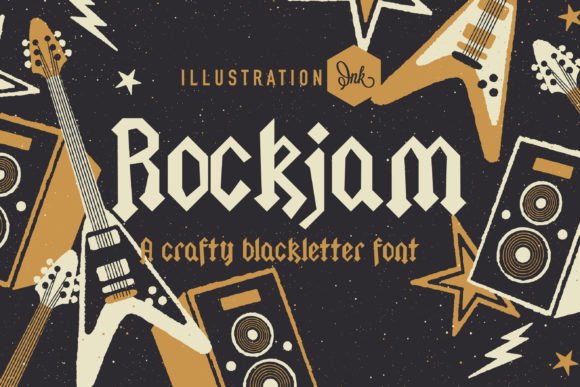
Rockjam bridges this gap by blending traditional blackletter elements—such as ornate serifs, high contrast strokes, and angular shapes—with subtle refinements that make it more approachable. It doesn’t demand attention in an overwhelming way; instead, it invites viewers into a visual narrative with its vintage charm and creative flair.
Who Can Benefit Most from Using Rockjam?
- Brand designers looking to create a legacy or heritage-based aesthetic.
- Marketing professionals aiming to craft campaigns with a bold, memorable headline style.
- Bloggers and content creators seeking to add personality to titles, headers, or logos.
- Entrepreneurs and small business owners wanting to differentiate their branding in competitive markets.
- Educators and publishers interested in presenting historical or literary content with authenticity.
Practical Applications of Rockjam in Real-World Projects
The versatility of Rockjam lies in its ability to adapt to various contexts while maintaining its distinctive look. Here are some realistic use cases where this font shines:
1. Brand Identity and Logo Design
For businesses that want to convey tradition, craftsmanship, or a retro vibe, Rockjam is an excellent option. Its structured yet artistic form gives logos a timeless quality, making them ideal for industries such as brewing, music, fashion, or artisanal products. For example, a boutique coffee shop named “Old Grind” could use Rockjam for its logo to immediately communicate a sense of heritage and quality.
2. Website Headlines and Hero Sections
Websites often rely on strong visual hierarchy to guide user attention. Rockjam can be used strategically in hero sections or key headlines to create a striking first impression. When paired with clean body text (like a modern sans-serif), it balances creativity with clarity. This combination works especially well for niche blogs, portfolio sites, or online magazines focused on art, culture, or design.
3. Print Materials and Packaging
In print, Rockjam offers a tactile experience that digital formats sometimes lack. Its thick strokes and intricate details make it visually compelling on posters, brochures, and product packaging. If you’re launching a new line of handcrafted leather goods, using Rockjam on your labels or promotional flyers can instantly elevate the perceived value of your products.
4. Invitations and Event Promotion
Creative professionals, event planners, and wedding designers often seek fonts that blend elegance with originality. Rockjam fits the bill perfectly for invitations, program booklets, or themed event posters. Its vintage appeal can evoke a sense of occasion, whether you're promoting a Renaissance fair or a luxury wine tasting.
How Rockjam Supports Creativity and Communication
Fonts aren't just about looks—they shape how messages are received. Rockjam’s design encourages users to think beyond standard typography and explore how visual language can impact perception. The font’s artistic nature supports creative thinking, making it a favorite among designers who want to express individuality through their work.
One benefit of using Rockjam is that it helps simplify decision-making in design projects. Instead of spending hours searching for the right mix of vintage and modern aesthetics, you can confidently choose Rockjam knowing it delivers both. This efficiency allows professionals to focus more on the message and less on the presentation mechanics.
Additionally, Rockjam strengthens communication by setting a tone. In the right context, it can suggest seriousness, sophistication, or even rebellion—depending on how it's styled and applied. For instance, a podcast titled “Echoes of the Past” might use Rockjam in its title card to reinforce the theme of historical exploration and storytelling.
Realistic Use Case Example
Imagine you’re a freelance graphic designer working on a client’s rebranding project for a local bookstore called “The Quill & Chain.” The client wants a logo that reflects both the history of books and a modern edge. You experiment with several fonts but find that Rockjam captures the essence perfectly. Its blackletter roots align with the idea of ancient texts, while the slight stylization gives it a current, edgy feel. The result? A logo that feels both familiar and fresh, resonating with both longtime customers and younger readers.
Considerations for Effective Use
While Rockjam is a powerful tool in the right hands, it’s important to consider its limitations. Like many blackletter fonts, it may not be suitable for long paragraphs of body text due to legibility concerns. Always ensure that it’s used for emphasis rather than extended reading. Also, since it carries a strong visual personality, it’s best reserved for situations where the tone matches its style—otherwise, it might come off as overly dramatic or out of place.
Another consideration is accessibility. Some variations of Rockjam may have complex characters that can be challenging for certain audiences, particularly those with dyslexia or visual impairments. To maintain inclusivity, pair Rockjam with a clear, accessible body font and test the contrast against different background colors or textures.
When to Compare Other Options
If you're working in a highly technical or minimalist environment—such as a financial dashboard or scientific report—Rockjam may not be the best fit. In these scenarios, it’s wise to compare it with other fonts that prioritize function over flair. However, for creative, editorial, or branding purposes, Rockjam stands out as a strong contender.
Enhancing Presentation with Rockjam
Good design isn’t just about beauty—it’s about purpose. Rockjam enhances presentation by helping designers create a stronger emotional connection with their audience. When used in presentations or infographics related to history, culture, or storytelling, it can subtly influence how information is perceived.
For instance, if you're presenting a case study on the evolution of typography, using Rockjam in the title slide immediately sets the stage for a journey through time. Similarly, educators teaching about medieval Europe or typography history can use Rockjam to illustrate examples directly, making the lesson more engaging and immersive.
Recommendations for Best Results
- Use sparingly: Limit Rockjam to headlines, subheadings, or decorative elements to avoid overwhelming the viewer.
- Pair carefully: Choose complementary fonts that balance Rockjam’s weight and complexity, such as a simple serif or sans-serif for body text.
- Test across platforms: Ensure that Rockjam renders clearly on both desktop and mobile devices, especially when used in digital media.
- Experiment with spacing: Because of its dense structure, adjusting tracking and leading can improve readability and aesthetics.
Supporting Goals Through Thoughtful Typography
Typography plays a subtle but crucial role in achieving professional goals. Rockjam supports these objectives by helping users craft designs that reflect their values and vision. Whether you're trying to build trust, inspire creativity, or capture attention, the right font can make all the difference.
Marketers, for example, can leverage Rockjam to create eye-catching social media posts or email newsletters. A vintage-themed clothing brand might use Rockjam for seasonal promotions to highlight a collection inspired by the 1920s. The font becomes part of the brand story, reinforcing the message through visual consistency.
Freelancers and entrepreneurs can also benefit by using Rockjam to establish a unique voice in their portfolios or websites. In a saturated market, having a signature style that communicates professionalism and creativity can set you apart and attract the right clients or customers.
Thoughtful Observations
Rockjam isn’t just a font—it’s a design statement. Its blend of classic structure and modern innovation makes it a versatile choice for those who want to add personality to their work. However, like any tool, it requires thoughtful application. Understanding when and how to use it effectively ensures that it enhances your message rather than detracts from it.
It's also worth noting that Rockjam complements other design elements well. When used alongside distressed textures, muted color palettes, or hand-drawn illustrations, it creates a cohesive, vintage-inspired aesthetic. But even in more contemporary settings, Rockjam can introduce a touch of character without clashing with the overall design.
Final Thoughts on Choosing Rockjam
Design choices should always serve the message. Rockjam does this by offering a vintage look with a creative edge, allowing professionals to communicate their ideas in a visually compelling way. Its artistic flair and historical roots make it a standout option for anyone looking to add depth and distinction to their work.
Still, it’s important to evaluate how well Rockjam fits your specific needs. Consider your audience, the medium, and the message you want to convey. When used appropriately, Rockjam can become a valuable asset in your design toolkit—helping you save time, support creativity, and strengthen communication across multiple platforms.